Turmeric
Option ABest suited to: People comparing curcumin-based joint products
Potential advantages
- Large product range
- Many standardised extracts
- Often combined with absorption enhancers
Two botanical options often marketed for inflammation and joints.
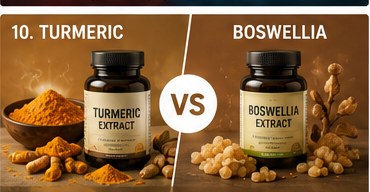
Both are marketed for inflammation and joints, but extract standardisation and tolerability matter more than the herb name alone.
Compare the Supplement Facts label, active amount per serving, testing information and total daily cost before choosing.
As an Amazon Associate SupplaSort earns from qualifying purchases at no extra cost to you.
Best suited to: People comparing curcumin-based joint products
Best suited to: People comparing boswellic-acid products for joint comfort
| Question | Turmeric | boswellia |
|---|---|---|
| Primary role | People comparing curcumin-based joint products | People comparing boswellic-acid products for joint comfort |
| Evidence check | Match the exact form and dose to the outcome studied. | Check whether research supports the specific intended use. |
| Value check | Compare useful active amount per serving, not bottle size. | Compare active amount, servings and total daily cost. |
| Quality check | Prefer transparent labels and independent testing where available. | Avoid undisclosed blends and exaggerated claims. |
Evidence is assessed for the exact ingredient, form, population and intended outcome. A popular product is not automatically a well-supported choice.
SupplaSort does not use invented clinical-effectiveness scores.
Supplements can cause side effects and interact with medicines. Pregnancy, breastfeeding, surgery, diagnosed conditions and use in children require professional advice.
This guide is general education and does not diagnose, treat or replace professional care.
Choose one measurable reason for trying it rather than adding a product “just in case.”
Check active amount, form, serving size, testing and daily cost.
Avoid changing several products at once, and stop if adverse effects occur.
Reviewed against established public-health sources. References support the safety and evidence framework; they do not endorse SupplaSort or any retailer.